Follow us on tiktok, instagram & youtube

Petrol Price in Malaysia Might Rise Up — Here’s the Real Reason Why
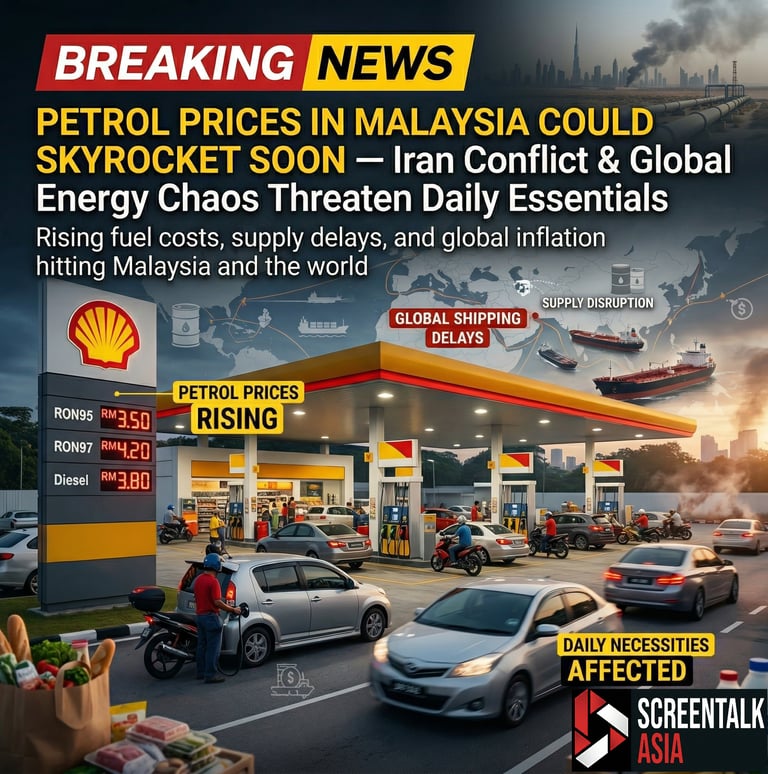
Petrol Prices in Malaysia Could Skyrocket Soon — How the Iran Conflict, Shipping Delays, and Global Energy Chaos Are Threatening Your Daily Essentials.
GLOBAL
Kana-dasan
3/23/20263 min read

Why Petrol Price in Malaysia Might Rise
Petrol price in Malaysia is influenced by global crude oil prices, supply chain stability, and geopolitical events. Currently, an ongoing conflict involving Iran, the US, and Israel has created serious disruptions in global energy markets. The conflict has pushed global oil prices higher, making petrol prices go up in many countries.
Iran War and Global Oil Prices
The conflict in the Middle East, often referred to as the 2026 Iran war, includes strikes on Iranian and regional energy infrastructure and has severely disrupted maritime shipping. One of the biggest consequences is the serious threat to a narrow but crucial shipping route — the Strait of Hormuz.
What is the Strait of Hormuz and Why It Matters
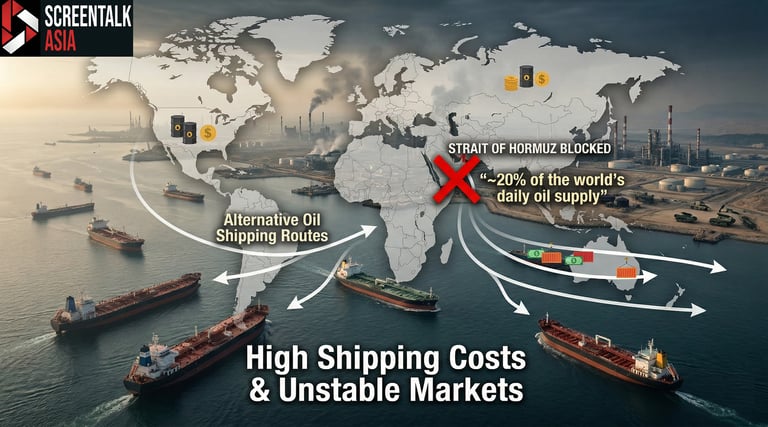
The Strait of Hormuz is one of the most important shipping routes in the world. Around 20 % (one‑fifth) of the world’s crude oil and petroleum products pass through this narrow waterway daily, connecting oil‑producing nations in the Persian Gulf with the rest of the world.
Petrol price in Malaysia rising, fuel cost inflation, global oil price surge, impact of Iran war, Strait of Hormuz blockade, transportation cost increases, daily needs price hikes, global energy shock.
How Petrol Prices Are Impacted
So how does this affect petrol at the pump in Malaysia and other countries? Here’s the chain reaction:
Global oil prices rise because of reduced or risky supply through Strait of Hormuz.
Shipping routes become longer or more expensive — tankers avoid dangerous areas, or take longer detours, increasing freight cost and delivery time.
Cost of transportation increases across sectors — trucks, ships, air cargo.
Import‑dependent countries pay more for petrol and diesel because their suppliers increase selling prices.
Higher fuel and freight costs trickle down to most goods, including food, electronics, packaged items, keperluan harian, and everyday necessities.
With Key Shipping Routes Disrupted and Oil Tankers Taking Longer Paths Across the Sea — The True Cost Is Now Being Felt at Every Citizens.
What It Means for Daily Needs
Fuel is the lifeblood of logistics. When petrol prices go up, the cost of transporting goods to supermarkets, online stores, markets, and doorsteps goes up too. This often leads to inflation in essential daily goods — from rice, cooking oil, bread, vegetables, to household products and more. Analysts warn that this conflict‑driven shock may cause longer‑term price increases in everyday essentials.
Countries Affected by Rising Petrol Prices
The impact of the Iran war and energy market shocks has been reported globally:
Malaysia, Indonesia, Philippines — petrol prices rising and public concern about affordability.
India and Bangladesh (major oil importers) — demand for fuel sees price adjustments.
Western countries (US, UK, EU) — households reducing fuel usage due to high prices.
South Africa, Nigeria, Argentina, Indonesia — consumers reporting higher fuel bills and shrinking budgets.
In many of these countries, petrol demand has stayed strong even as prices go up, leading to concerns about fuel shortages and increased buying behavior — like people filling up tanks earlier or stocking up when prices are slightly lower.
When a war or conflict threatens or partially blocks the Strait of Hormuz — as news reports have indicated during the Iran escalation — the flow of oil becomes uncertain, and global oil prices immediately rise due to fears of supply shortages. This is a classic example of supply risk, transportation risk, and geopolitical premium pushing prices higher.

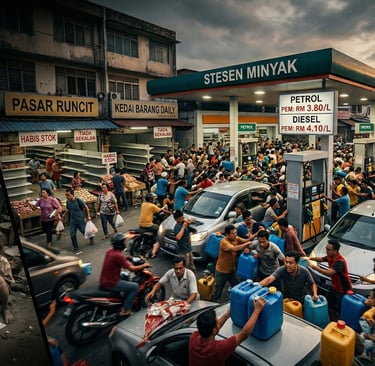
Global Havoc: Why This Feels Like an Energy Crisis
Energy markets are highly sensitive. Unlike many products, crude oil is a globally traded commodity. When tensions hit major producers — especially near critical routes like the Strait of Hormuz — markets react instantly. Analysts have described this situation as a global energy shock, one that affects:
Fuel prices worldwide
Shipping and freight rates
Inflation in food, raw materials, goods
Economic growth and consumer budget
This isn’t just about petrol prices — it’s about the cost of moving goods, living expenses, and inflation expectations worldwide.
Who Might Gain Profit from This Situation?
While many consumers face higher costs, some countries and companies could actually benefit:
✔️ Oil‑producing countries in OPEC and Middle East — when crude oil prices go up, they earn more revenue per barrel of oil sold.
✔️ Energy exporters like Russia, Saudi Arabia, UAE, Iraq — higher global prices increase export earnings.
✔️ Large oil producers with spare capacity — can raise output and benefit from higher prices.
✔️ Oil and energy trading companies — profit from greater volatility and trading volume.
In contrast, oil‑importing countries pay more for fuel, goods, and energy infrastructure — putting pressure on consumers and businesses.
A Human Perspective
While conflicts affect economies, life is about love, unity, and happiness. Wars are temporary, but compassion and togetherness are timeless. Let’s love people, respect nature, and cherish our world — staying united makes us stronger. 🌏💞
